What Is MQA? The Fold-and-Unfold Trick, the Controversy, and Whether It's Worth Enabling (Tested on KEYSION 02 Pro)
- So what is MQA, and how does it differ from plain FLAC?
- Folding and unfolding: how does high bitrate fit into a small file?
- Measured comparison: MQA, FLAC, and DSD on the 02 Pro
- The MQA controversy: why do people call it lossy?
- Which devices can unfold MQA, and does a normal dongle cut it?
- Is it worth paying for MQA sources? Who it suits, who it doesn't
- About the author
MQA isn't a new audio file format. It's a coding and authentication layer wrapped around FLAC. Using a trick called folding, it squeezes information above 24bit/96kHz into a 44.1 or 48kHz container, then the player unfolds it again. Whether a subscription is worth it comes down to your gear and your source, not the badge on the file. Below, we put MQA, plain FLAC, Hi-Res FLAC, and DSD head to head on the 02 Pro.
Plain FLAC is an honest lossless compressed file. Decode it and you get back exactly the PCM data you put in. MQA takes a different route. First it applies a lossy fold to the original high-bitrate master, hiding the high-frequency content in the low bits of an ordinary 44.1kHz file. A decoder that supports MQA then rebuilds that hidden part.
A device without MQA support still plays the file. You just hear the folded 44.1/48kHz version, which is the same as an ordinary CD. Only MQA-capable hardware or software can unfold it to 88.2/96kHz or beyond.
The trick is to compress the ultrasonic band and stuff it into the lowest few bits of a 24bit stream. During playback the decoder reads those low bits and, together with a certified DAC, reconstructs a waveform at a higher sample rate. The whole chain relies on keys and a certification process, and vendors must submit every device for testing.
This is also where the argument starts. Folding is lossy by design, so unfolding can only produce a processed high-bitrate signal, never the original master.
| Item | MQA | FLAC (CD 44.1/16) | FLAC (Hi-Res 96/24) | DSD64 | What this means |
|---|---|---|---|---|---|
| File size | close to 44.1/24 | smallest | medium | largest | When phone storage is tight, MQA sits close to CD |
| Device support | needs MQA-certified decoding | nearly every device | the vast majority | needs DSD support | Switching gear costs differ |
| Sample rate after unfolding | usually capped at 96kHz | 44.1kHz | 96kHz | 2.8224MHz | Big numbers don't equal better sound |
| Lossy or not | folding is lossy | lossless | lossless | lossless | Matters if you insist on strict lossless |
| Streaming support | Tidal and others | widespread | widespread | less common | Your platform decides whether you can use it |
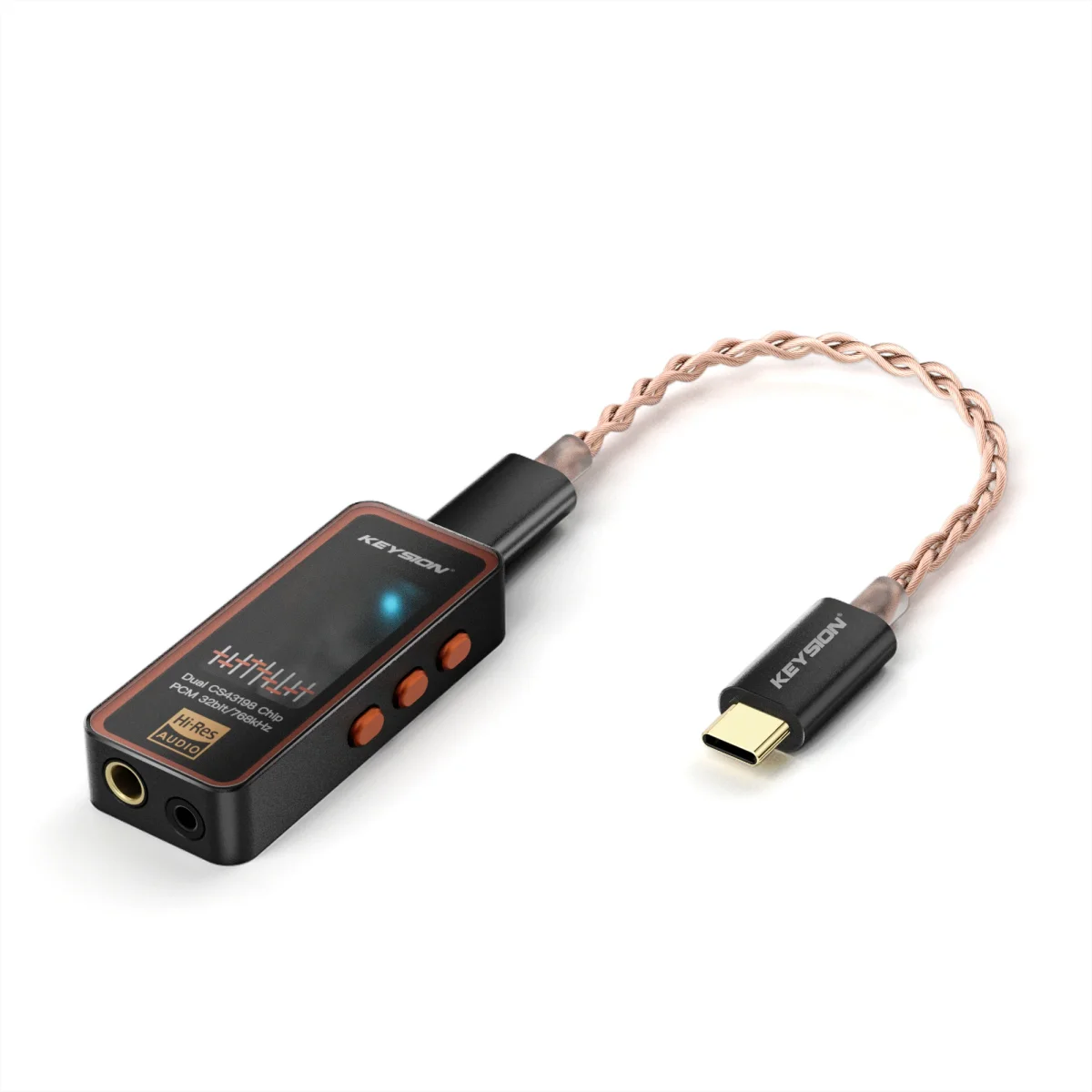
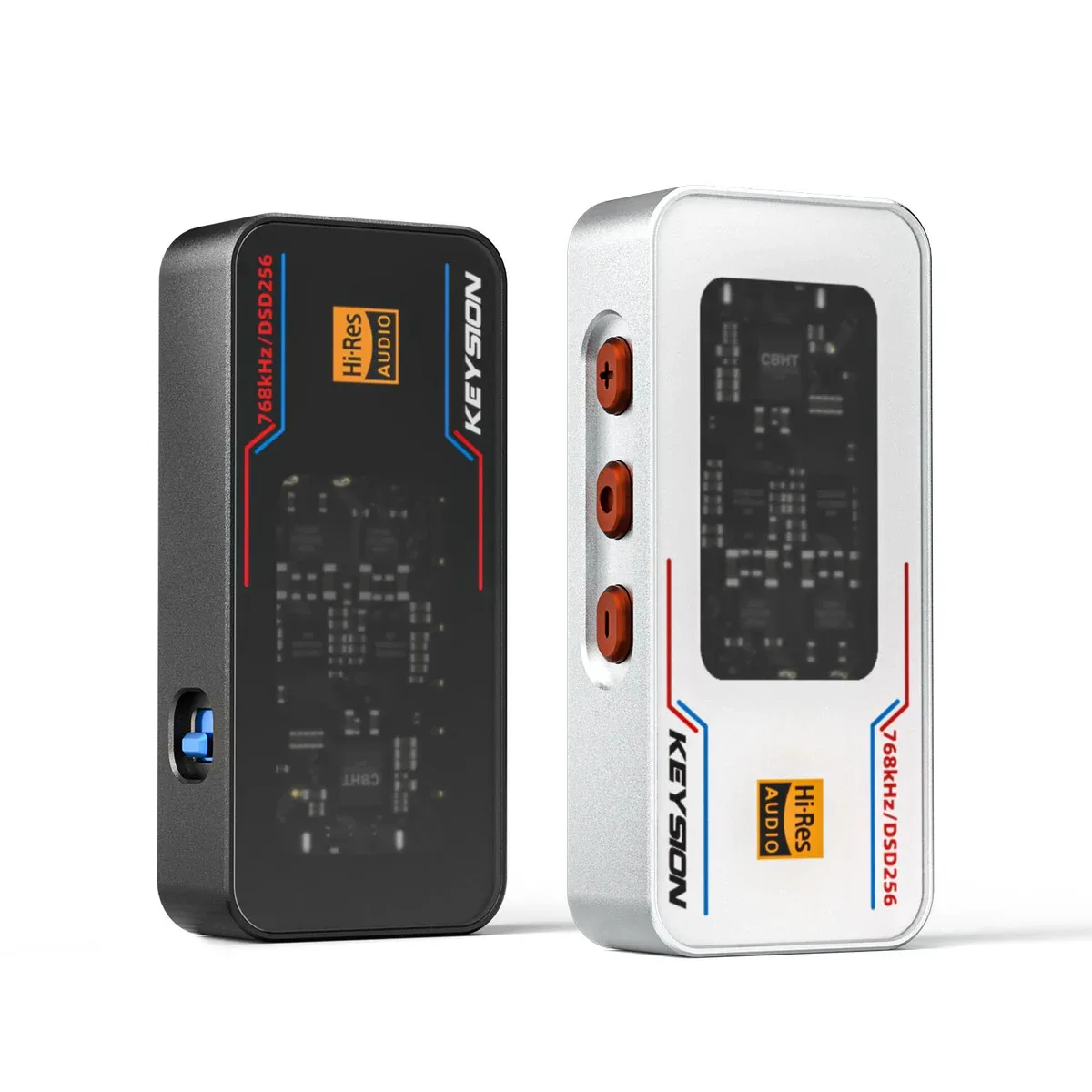
The 02 Pro handles PCM 768kHz and DSD256. When it meets an MQA file, the playback software does the unfolding and hands the result to the decoder. For the difference between PCM and DSD, see how DSD and PCM actually differ.
Critics are blunt: folding can't be reversed, so unfolding never restores the original master bit for bit. Supporters counter that under real listening conditions, the unfolded version and the original Hi-Res are hard to tell apart.
My own view leans cautious. Treating MQA as a smaller stand-in for Hi-Res is fine. Calling it lossless is a stretch. In blind tests most people can't separate MQA from Hi-Res FLAC of the same source on ordinary gear, but that doesn't prove the two carry identical data.
Unfolding happens at the decoding end. Apps like Tidal on a phone can do the first unfold, restoring the file to 88.2/96kHz. Going beyond that needs hardware with MQA rendering. The 02 Pro doesn't take part in MQA-certified decoding. Its job is to turn the PCM or DSD the software sends it into an analog signal with high fidelity: 551mW@32Ω of output, with noise and distortion figures low enough that tiny format differences don't get buried upstream.
Put simply, if your dongle doesn't support MQA, you hear the folded version. Unfold it in software first and send it to the 02 Pro, and what you hear is already unfolded PCM. Both routes work. The difference sits in the software layer.
Who it suits: you already use an MQA-capable player or DAC, you subscribe to a platform like Tidal where MQA dominates, and you care about file size on the go.
Who it doesn't: your main device lacks MQA certification, you mostly listen to local FLAC or DSD collections, or you're set on strict lossless. For these listeners, money spent on headphones and the source gear pays off faster than switching formats. For lossless sources, see where lossless music comes from.
This article was written and tested by the KEYSION acoustic content team. We spend our time testing portable DACs paired with headphones. The figures here come from lab measurements of the 02 Pro and the 02. The listening notes include personal judgment, so take them as a reference only. Full specs are on the KEYSION 02 and 02 Pro product pages.
FAQ
Is MQA lossless?
Strictly speaking, no. The folding step is lossy, and unfolding only gives back a processed high-bitrate version, not the original master bit for bit. It's more accurate to call it a smaller stand-in for Hi-Res.
Can a regular dongle play MQA?
It can play, but you hear the folded 44.1/48kHz version, the same as an ordinary CD. Unfolding needs software or hardware with MQA support, and it has nothing to do with output power.
Which sounds better, MQA or Hi-Res FLAC?
In blind tests on ordinary gear, most people can't tell. The differences come more from the master and post-processing than from the format itself. Don't treat a format badge as the dividing line for sound quality.
How do I listen to MQA on a phone?
Use an app like Tidal for the first unfold, which restores the file to 88.2/96kHz, then decode through the dongle. Full unfolding needs hardware certification, and most dongles don't take part.
Is it worth changing devices for MQA?
Unless you already use an MQA platform and care about file size, put the money into headphones and your source gear first. That pays off faster than a format-capable device.
Related products
Related articles