
Guides
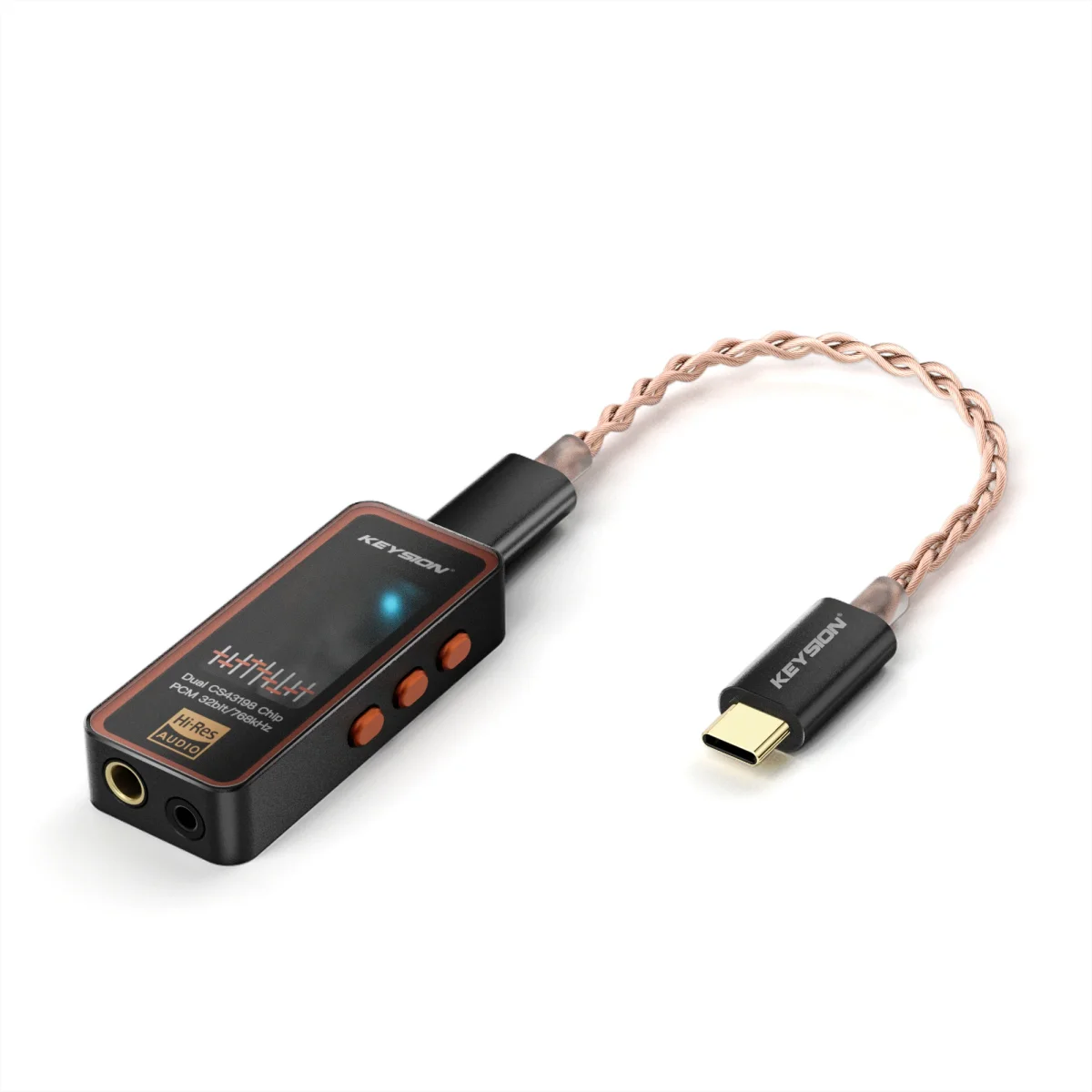
What’s the real difference between DSD and PCM? Is DSD256 worth changing your source for? The trade-offs we measured with KEYSION 02
Written for dongle users who keep going back and forth on DSD. DSD and PCM are two different digital audio encodings: DSD approximates the waveform with a high-sample-rate 1bit stream, PCM uses multi-bit sampling. Most people can’t tell them apart, and native DSD256 releases are scarce. Using KEYSION 02 and 02 Pro measurements, we show when it’s actually worth the effort.
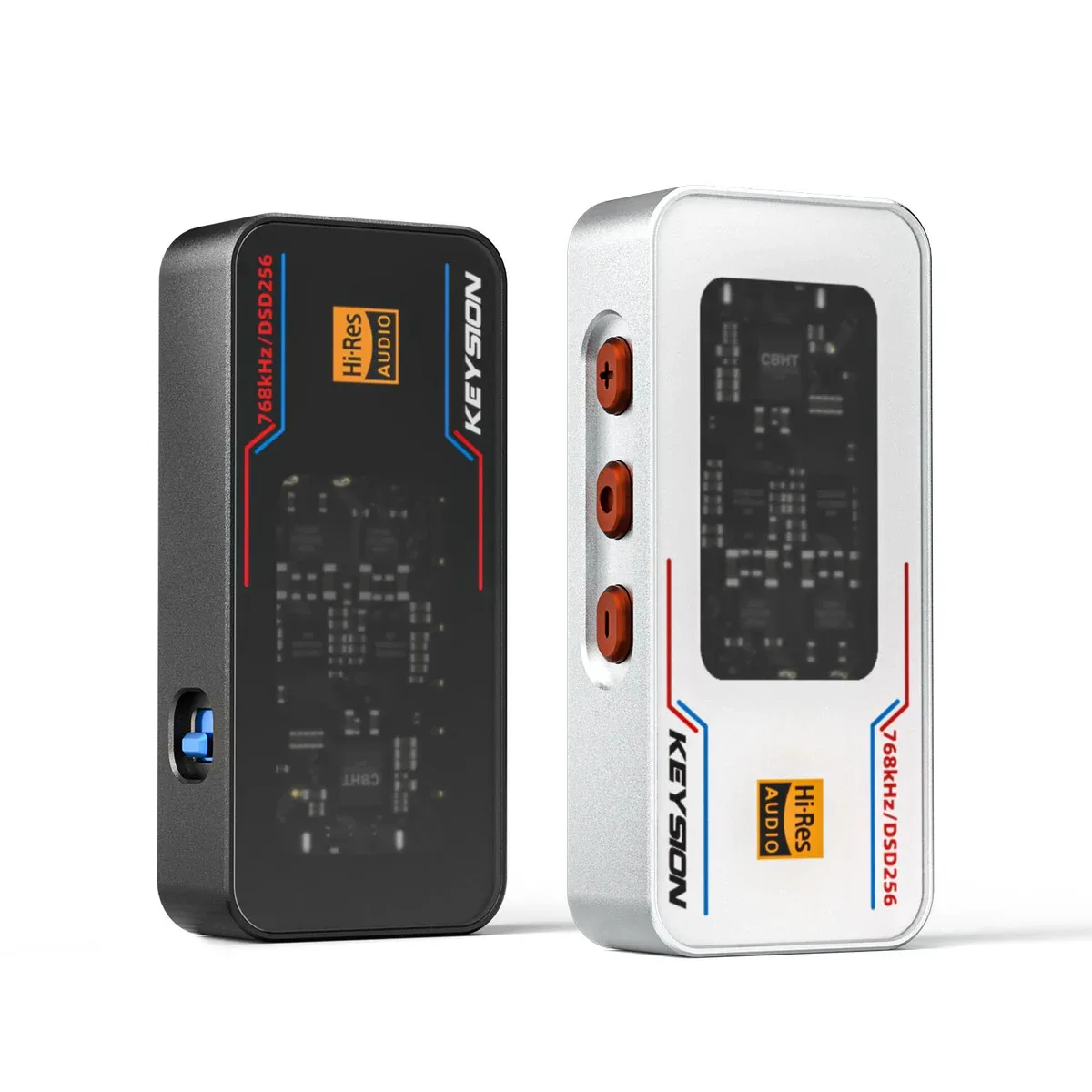
Do Higher SNR, Dynamic Range, and Distortion Numbers Really Sound Better? What KEYSION 02 Pro’s Measured Data Means Versus What You Actually Hear
For people who want to read a spec sheet without getting led astray by numbers. SNR, dynamic range, and distortion describe how noisy a device is and how much detail it keeps, but they don’t describe whether it sounds good. Measured data from the KEYSION 02 Pro, 02, and 01 shows which specs matter and which you can skim.
Where can I find lossless music? Hi-Res download sources and format conversion (getting source files for KEYSION 02 Pro)
Once you own a Hi-Res headphone or DAC, the real gap is lossless source files. This piece covers legal buying sources like Qobuz, Bandcamp and the Japanese HiRes stores, explains CD ripping and format conversion, and shows how to spot upsampled “fake Hi-Res”.
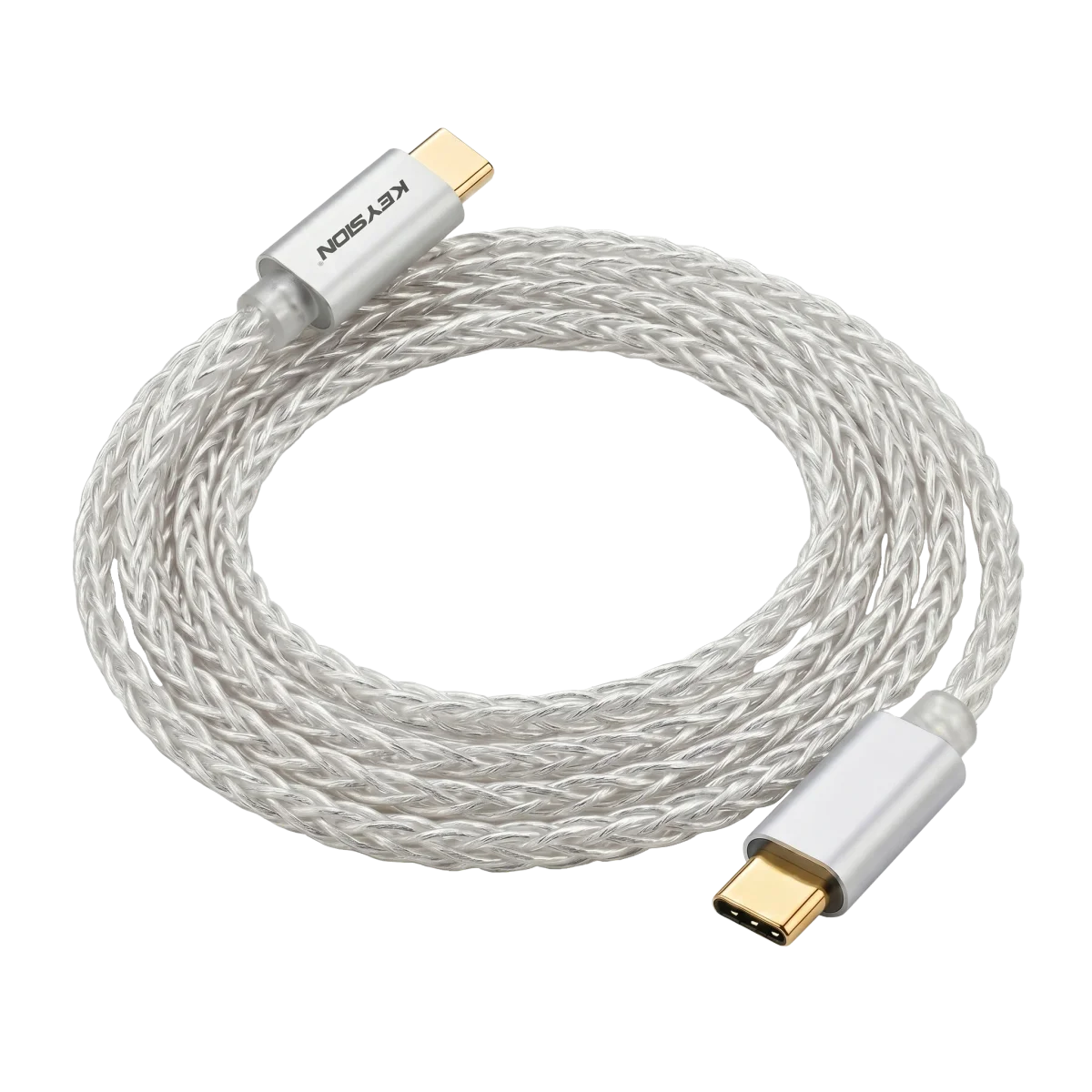
Dongle DAC won’t connect to your phone or gives no sound? An OTG compatibility troubleshooting checklist (KEYSION S1/S2 used as the example)
A USB-C dongle DAC plugged into the phone does nothing. Most of the time the device isn’t broken; it comes down to a system permission, power, or contact issue. This guide walks an ordered OTG checklist and keeps Android and iPhone apart.
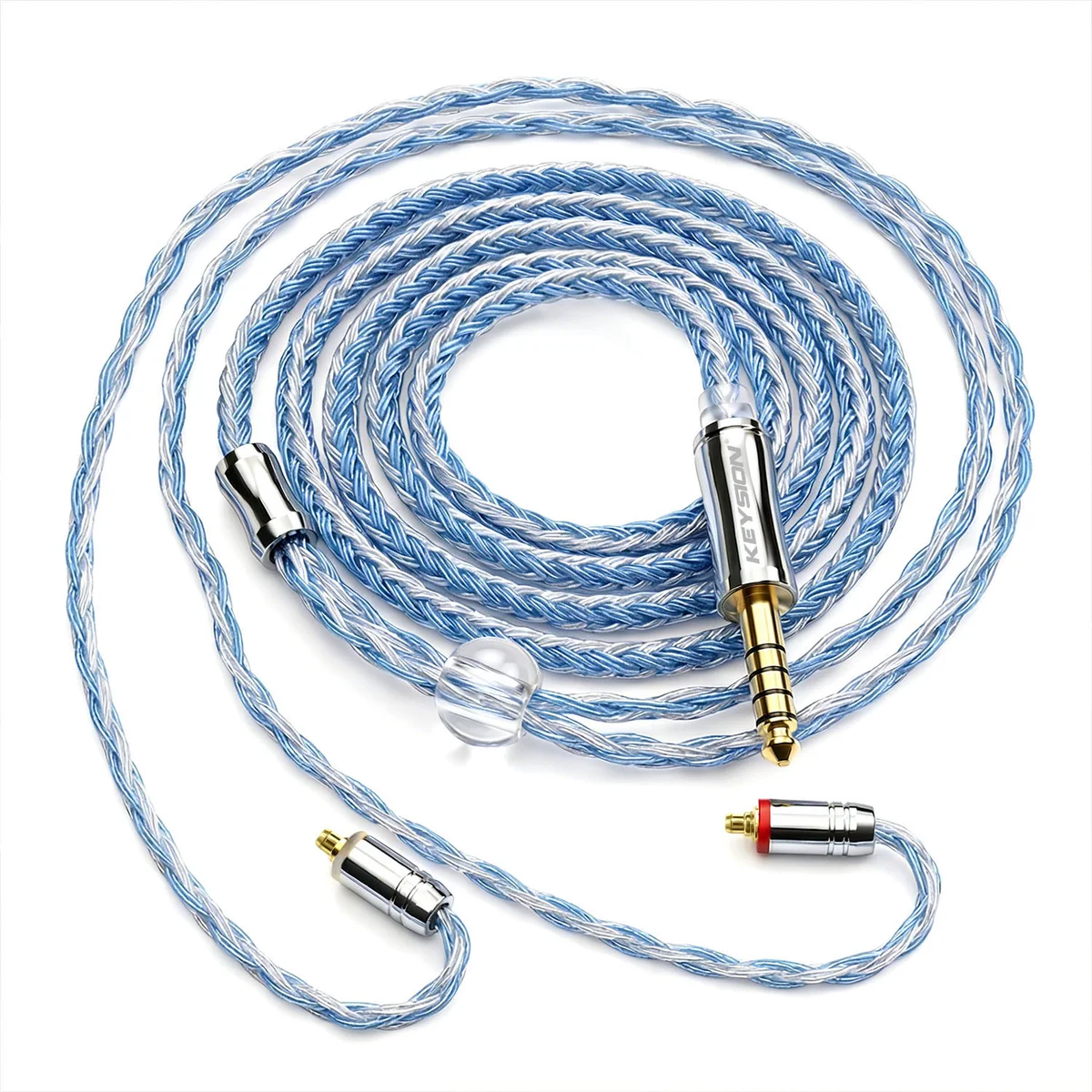
Why Does a Headphone Cable Pick Up Noise? How Much Shielding and Crosstalk Actually Matter (Tested with KEYSION 24G)
For short home-run cables, most noise comes from the connector and the source, not the wire. This post covers shielding and crosstalk, when they really matter, and a noise-hunt checklist.
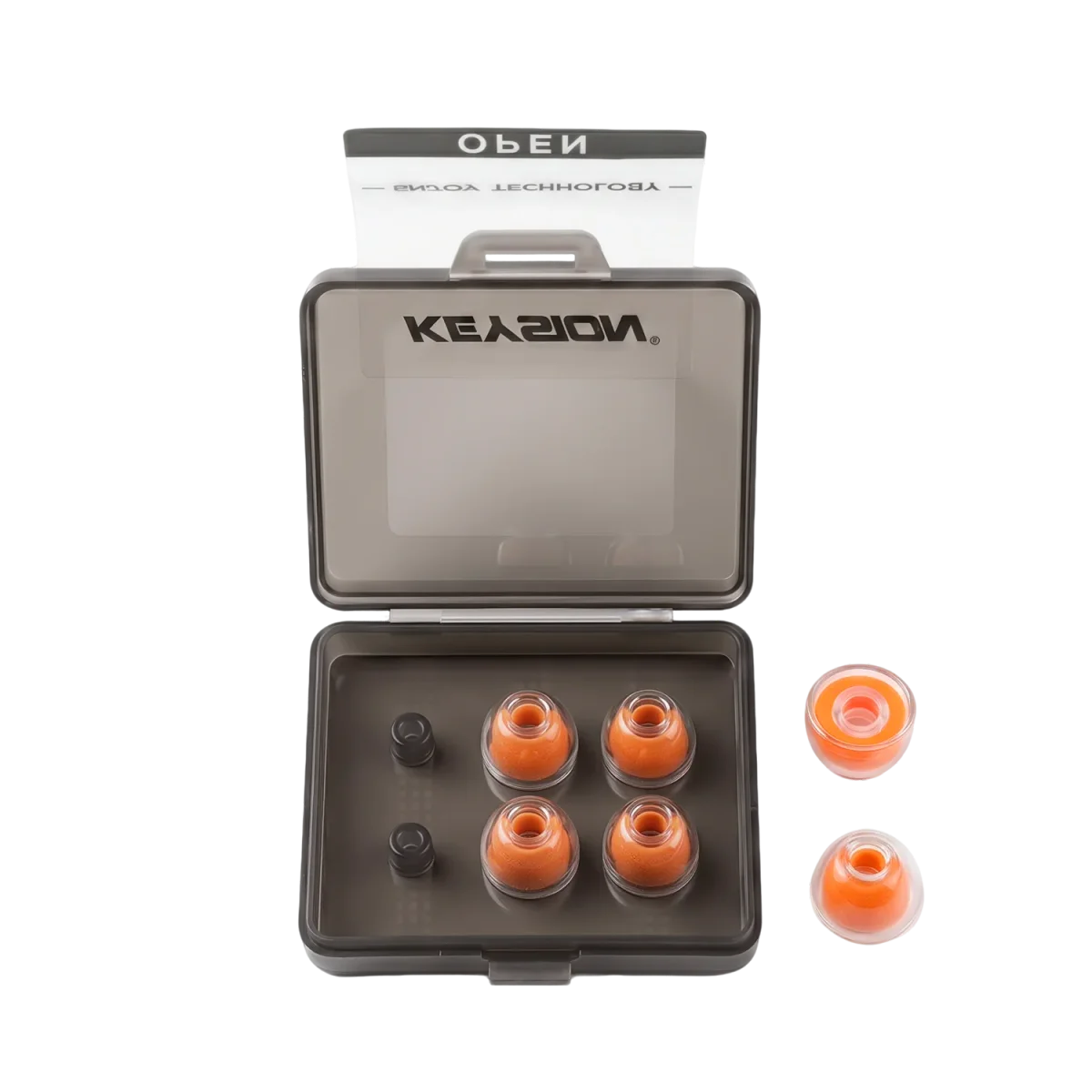
Does a Bad Eartip Fit Kill the Bass? How Seal and Fit Shape IEM Sound (Tested with KEYSION 30A Foam Tips)
Most 'missing bass' problems start with the eartip and the fit, not the IEM. This post explains why seal decides the low end, silicone vs. foam tips, and how to check your fit.
Class A, AB and D Headphone Amps: How Does the Output Stage Shape the Sound? (Measured on the KEYSION 02 Pro and 02)
This article explains the real differences between Class A, AB and D output stages: the class mainly affects efficiency, heat and idle power, while audible differences are often masked by signal-to-noise ratio, gain and headphone matching. Using measured specs of the KEYSION 02 Pro and 02, it argues the class is not the deciding factor for sound quality.
Dongle DAC or Bluetooth Amp? Which Portable HiFi Setup Should You Pick? (KEYSION 02 Pro vs S2, Measured)
This article helps you decide: with a fixed source, prefer a wired dongle DAC (stable, high-spec decoding); go with a Bluetooth amp only when you move around, want to ditch cables, or drive several devices (lossy link, but far more freedom). We compare the measured KEYSION 02 Pro and S2, list who should pass.
Digital vs Analog Volume: Does Turning Down the Volume Actually Lose Sound Quality? Measured on the KEYSION 02 Pro
Digital volume works by reducing bit depth and has a resolution limit; analog volume uses a potentiometer, is more linear but can add noise and channel mismatch. One article explains how real gear handles volume, and why most people don't need to worry about everyday adjustments.
How to Read a Headphone Frequency Response: Target Curves, Tuning Taste, and What the KEYSION 02 Pro Actually Measures
Learn to read a headphone frequency response in one article: what the axes mean, what Harman and diffuse-field target curves are, and why flat is not the same as good-sounding. With the KEYSION 02 Pro and 30A tips, we explain how seal affects the measured curve.
Does Buying an ANC Headset Actually Make the Office Quiet? Active Noise Cancelling vs Passive Isolation, Checked With KEYSION 30A Tips and X1
Active noise cancelling (ANC) shines on steady low-frequency noise — plane engines, subway rumble. But office chatter and keyboard clatter are mid/high-frequency irregular noise, and that's where passive isolation (a snug fit and well-sealed tips) does better. ANC drains battery and stops working uncharged; passive isolation is always on as long as the seal holds. We measured the KEYSION 30A memory-foam tips and the X1 to show which scenario favors which.
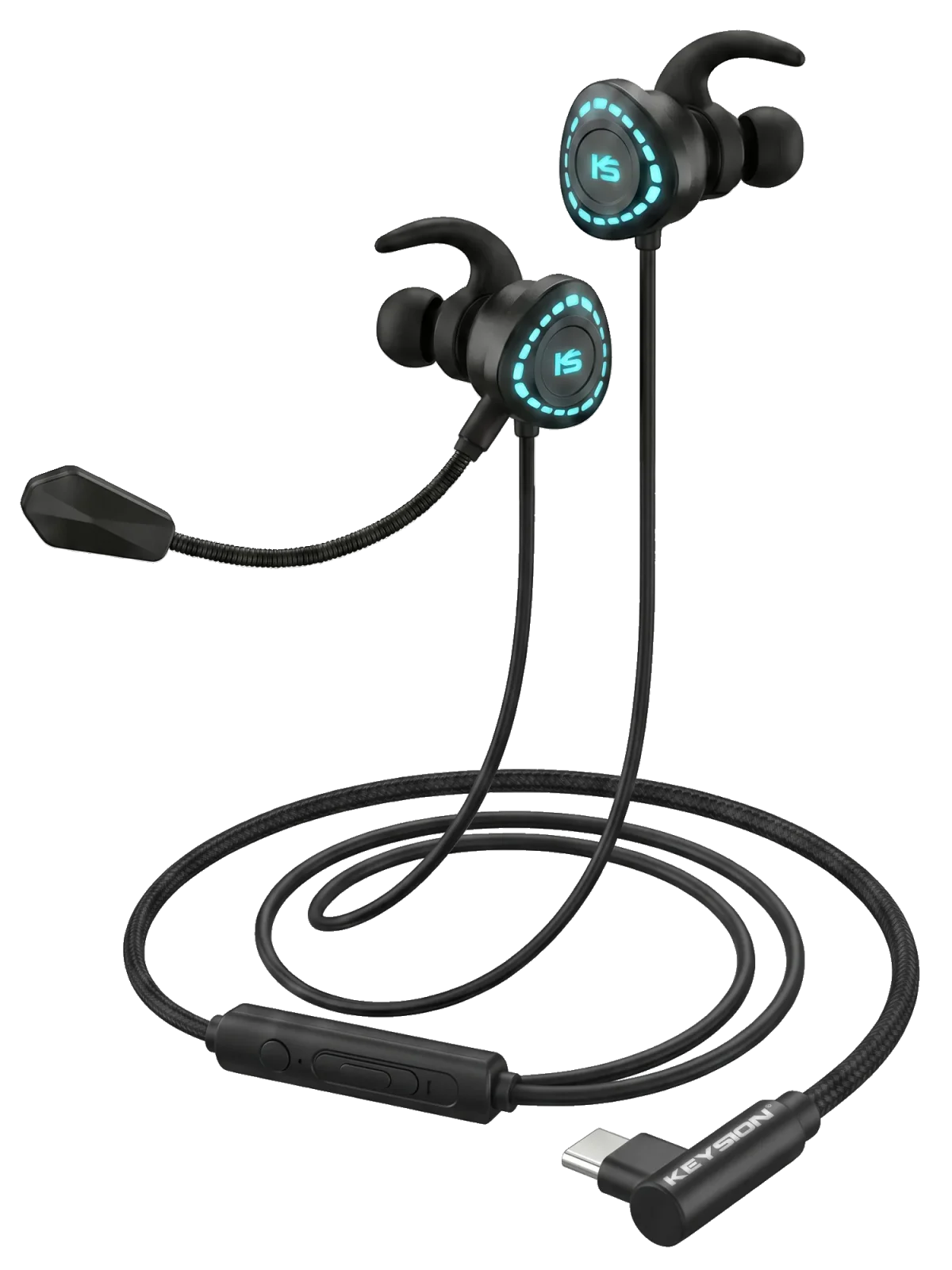
Why Do Bluetooth Headphones Lag in Games? Where Latency Comes From and How to Cut It, Tested With the G-Turbo X1
Bluetooth lags in games for one main reason: the codec. SBC and AAC typically add 100-300ms of delay — visibly out-of-sync audio. Total latency = encode + transmit + decode, so to get under 40ms you need LC3 or aptX Low Latency, or you switch to a wired setup. This piece measures the G-Turbo X1 down to the millisecond and lists practical Android and iPhone tweaks.