
Guides
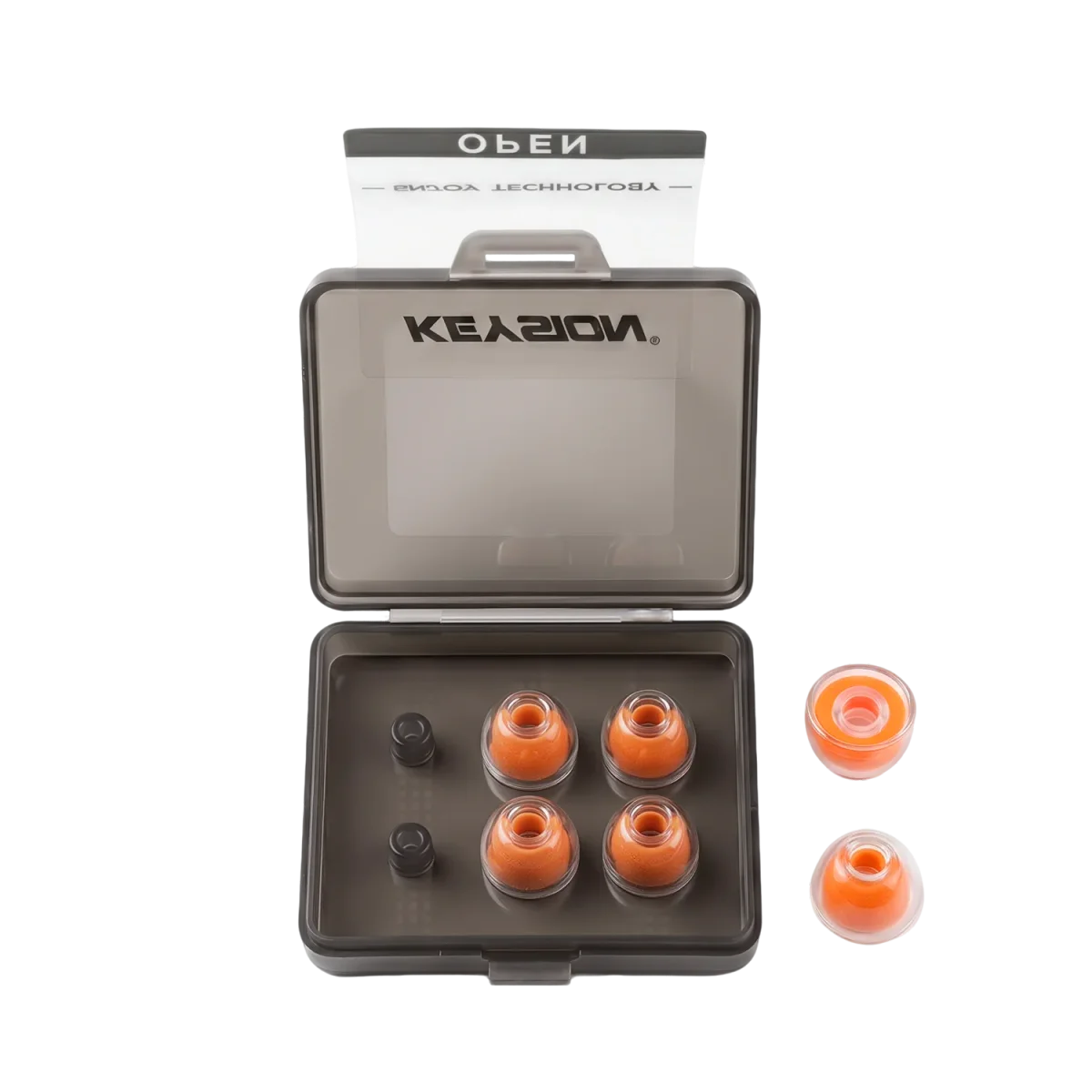
Do More Drivers Mean Better Sound? The Truth About Multi-Driver IEMs and Crossovers, Tested With KEYSION Memory-Foam Tips
Short answer up front: driver count is not sound quality. More drivers buy you crossover, phase-alignment and cost headaches, and a well-tuned, well-sealed single-driver IEM often sounds better than a sloppy multi-BA. This article breaks down dynamic, hybrid and multi-BA designs with KEYSION tips.
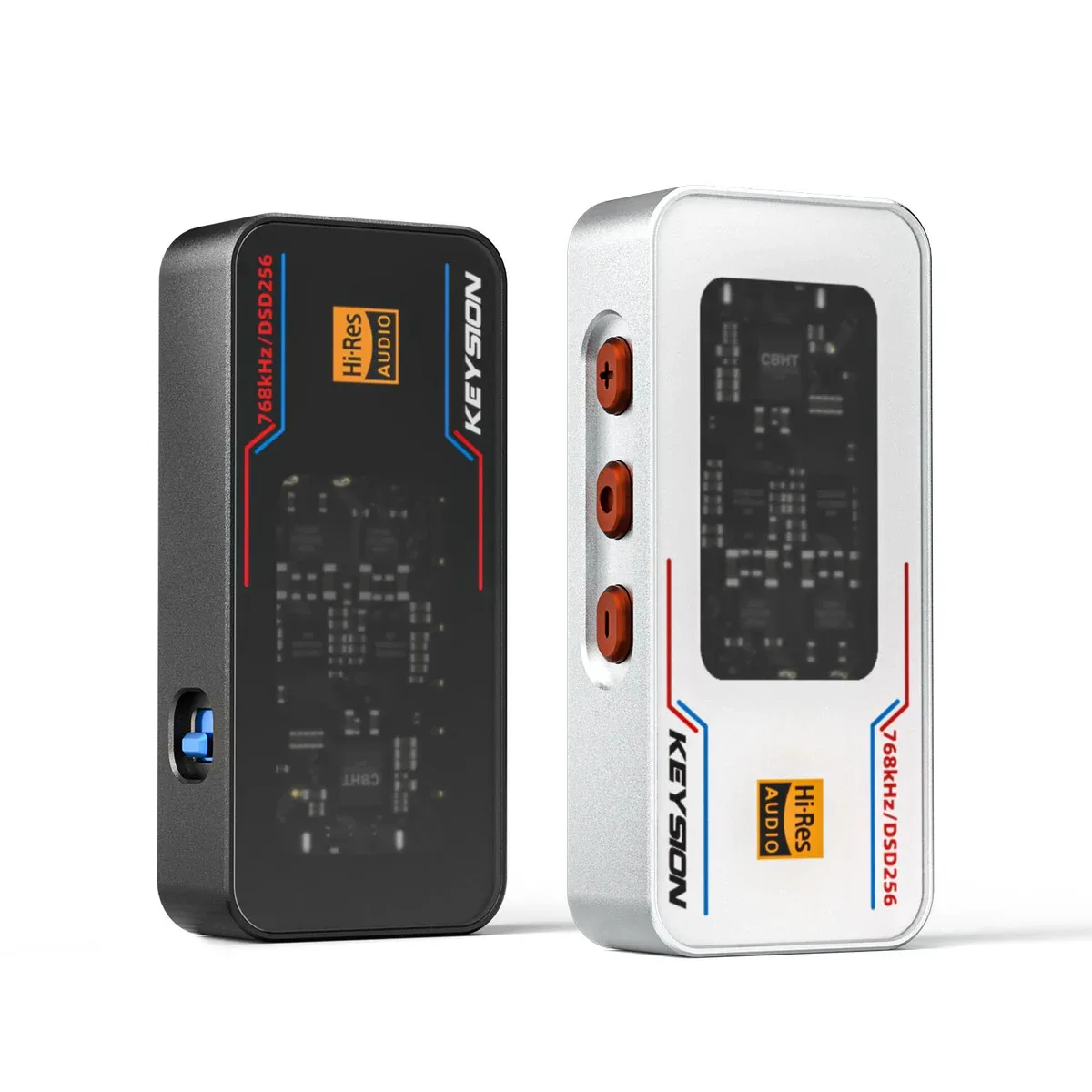
Is a Lossless Streaming Subscription Worth It? Quality Tiers and the Real Difference, Tested With the KEYSION 02 Pro
Short answer up front: most people can't reliably tell standard high-quality from CD lossless in a blind test, so the lossless subscription is only worth it when your playback chain can use it. This article lays out each streaming tier by bitrate and tests the difference with the KEYSION 02 Pro.
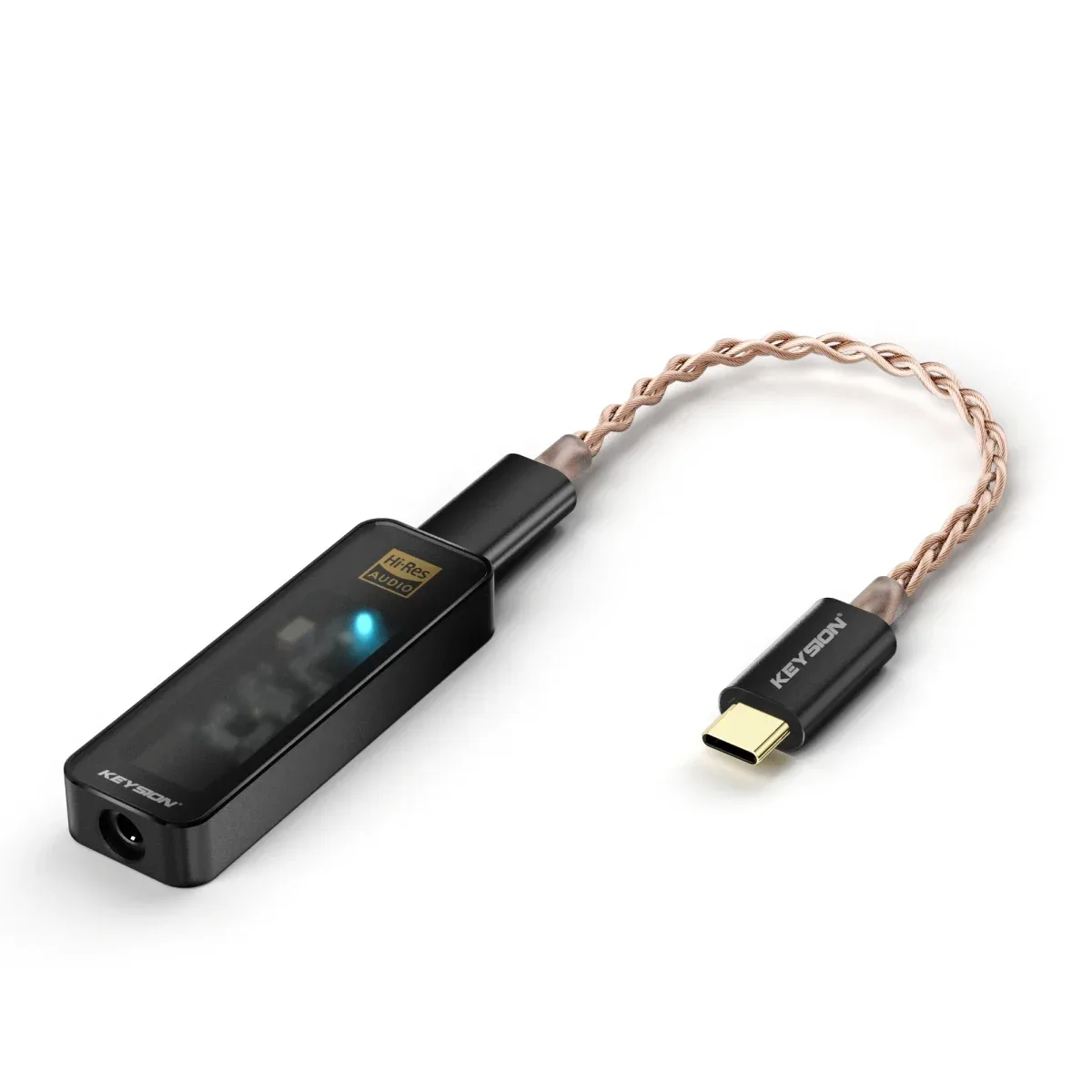
Why Do Dongle DACs Get Hot and Drain Battery? Where Phone Power Comes From, Explained with the KEYSION 01
Heat and battery drain are not faults: they are normal energy loss when a dongle DAC draws power from your phone and boosts it to drive headphones. The USB power ceiling and amplifier efficiency decide how hot it gets and how much it eats. This article explains the mechanism with the KEYSION 01, 02, and H-Turbo S2, and gives a clear standard for what counts as normal.
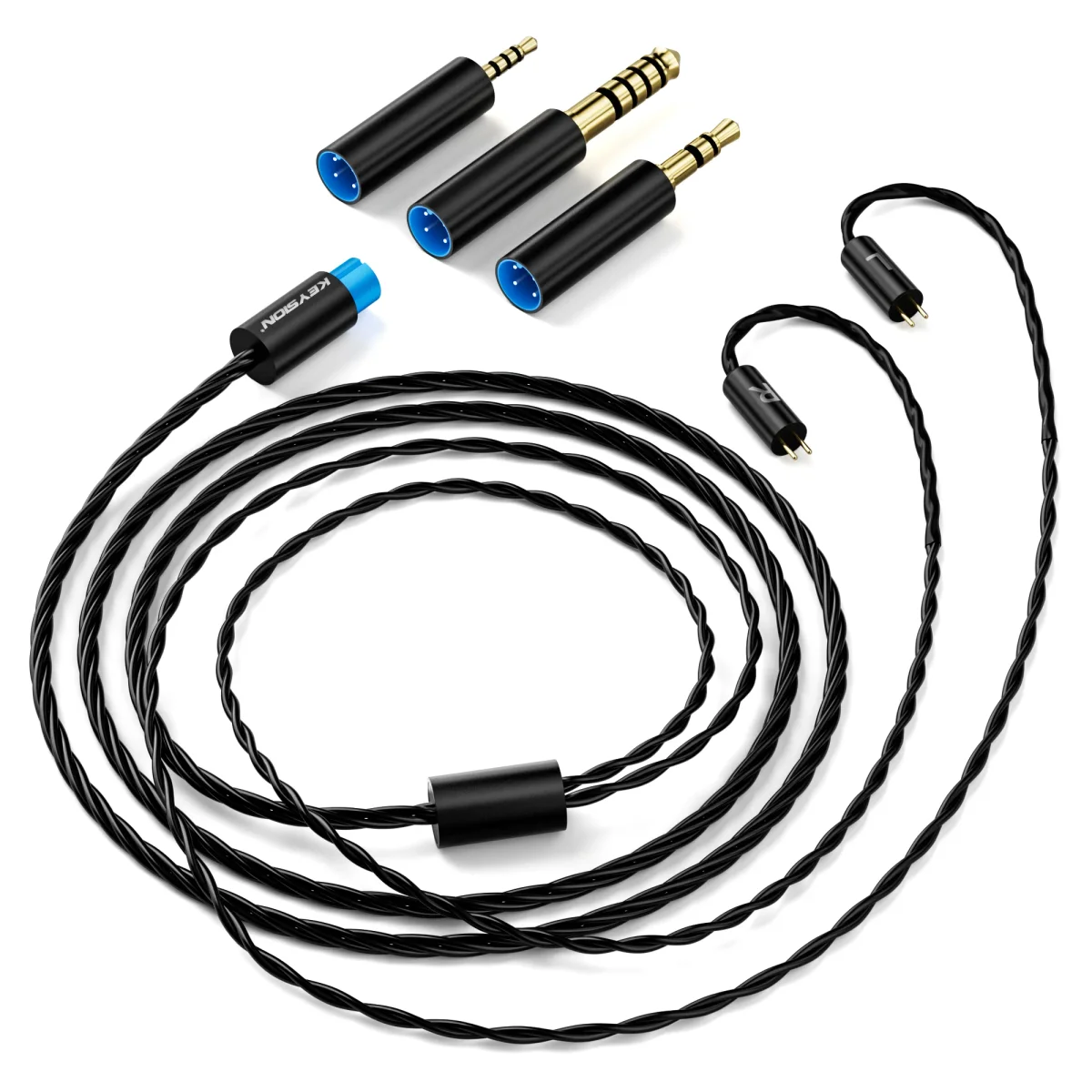
Does a 4.4mm Jack Always Mean True Balanced? Spotting Real vs. Fake Balanced with the KEYSION 02 Pro and Upgrade Cable
Not necessarily. A 4.4mm jack only describes the connector, not the amplifier inside. True balanced needs a separate amplifier channel per side; a "single-ended to balanced" adapter just copies the signal and adds no gain. This article explains the difference, shows how to check your own gear, and uses the KEYSION 02 Pro and the 3-in-1 upgrade cable as measured references.
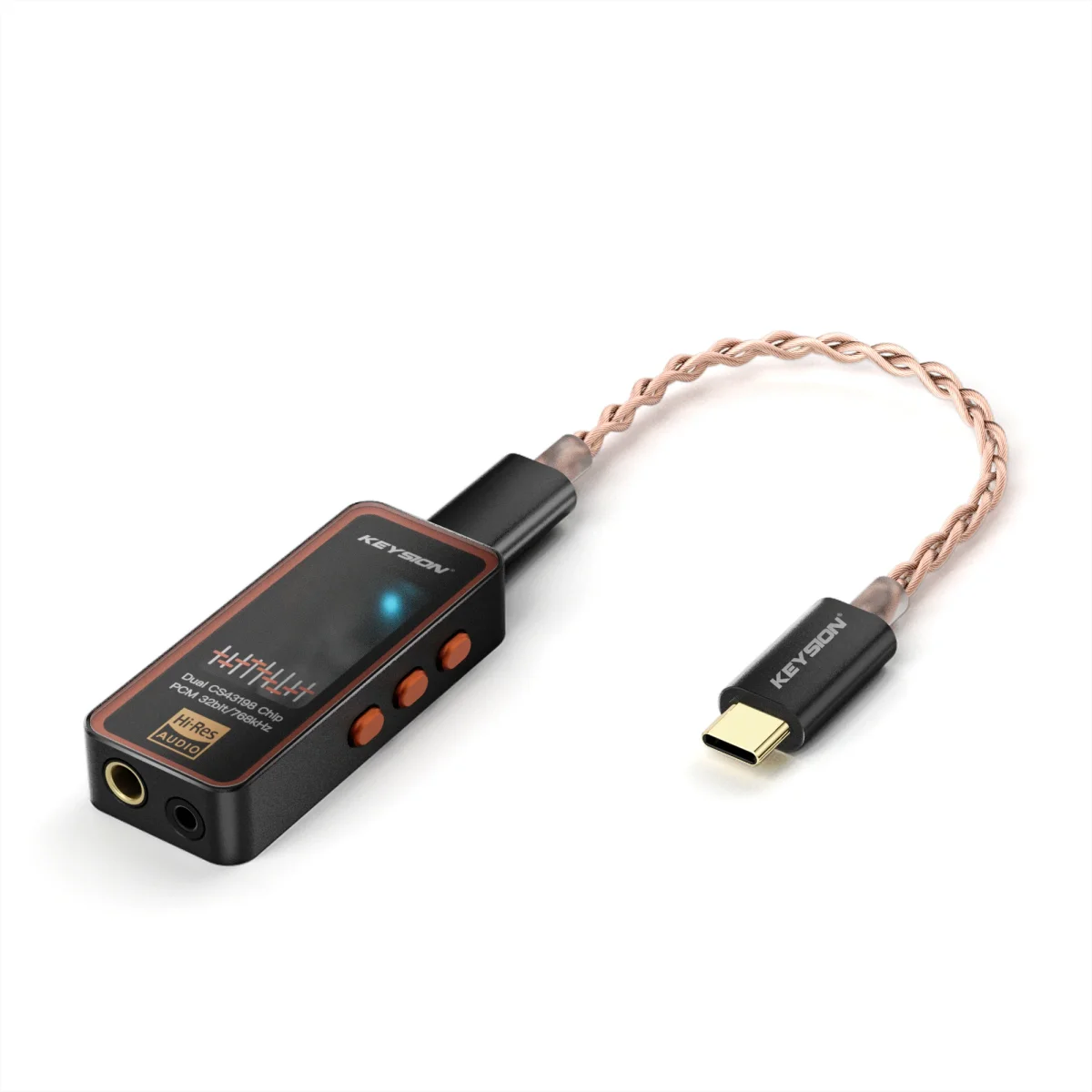
Portable or Desktop: When Is It Worth Upgrading to Desktop HIFI? A Look at the KEYSION 02 Pro
The short version: for most people the upgrade bottleneck is the headphone and the source, not the amplifier. A desktop unit's main advantage is steadier power and a larger voltage swing, which makes high-impedance over-ears easier to drive; but if you mainly use low-impedance earbuds on the commute, a portable DAC like the KEYSION 02 Pro is enough, and often better value. This article compares both setups on power supply, drive strength, and use scenario, to help you decide whether the extra money for desktop is worth it.
Is the Hi-Res Badge Actually Worth It? How High Is the Bar, and Does Passing It Guarantee Better Sound? A Closer Look With the KEYSION 02 Pro
The Hi-Res badge is defined by the Japan Audio Society (JAS) and the Consumer Electronics Association (CEA). At its core it requires a device to play back 24bit/96kHz or higher and to meet certain signal-to-noise and distortion thresholds. It measures the ability to handle high-resolution files faithfully, which is not the same as “sounding good”. This article breaks down what the certification actually tests, why a badge does not guarantee an impressive sound, and how measurements from a portable DAC like the KEYSION 02 Pro lead to a more reliable judgment.
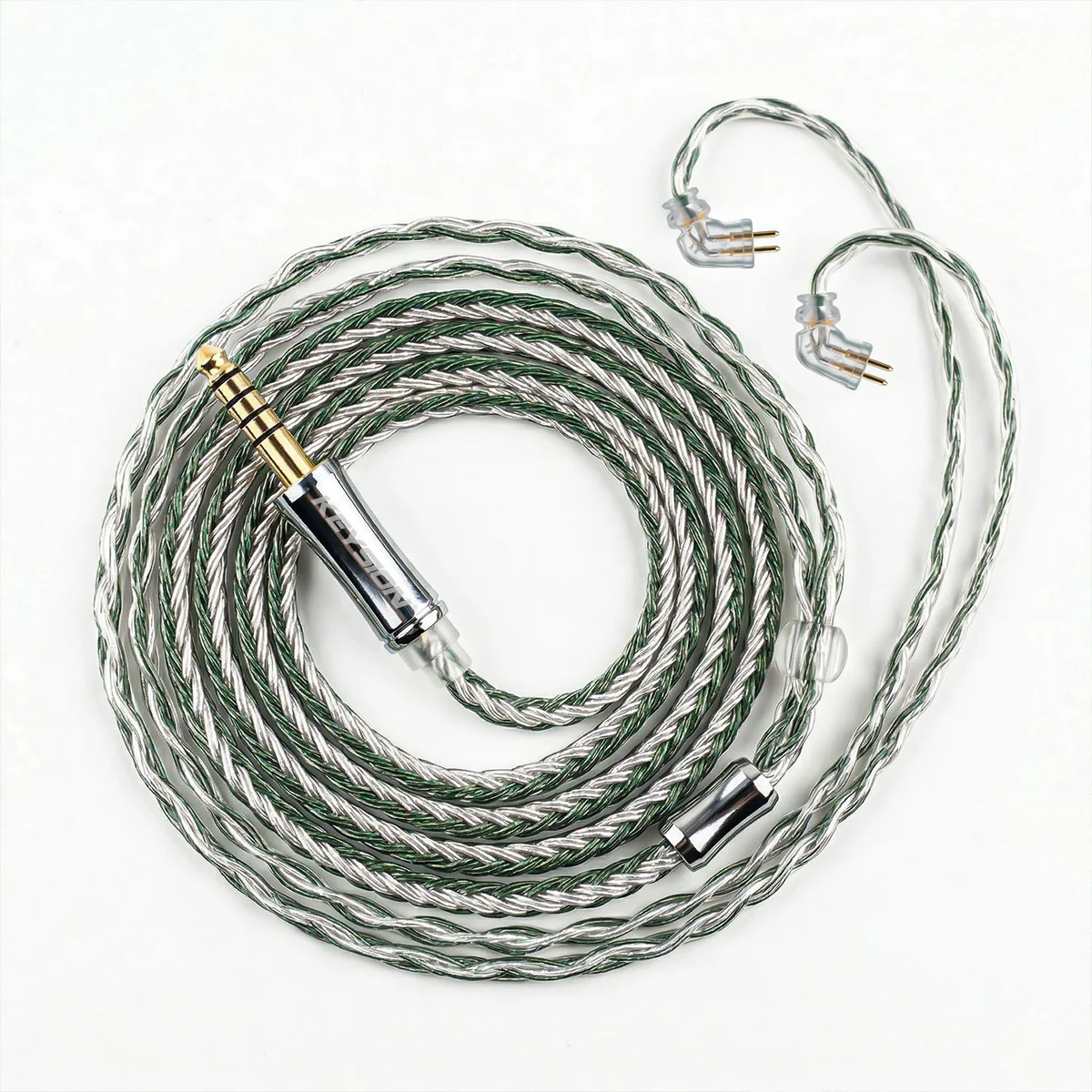
Do Headphone Cables Really Change the Sound? Copper vs Silver vs Silver-Plated, Science and Hype, Tested on KEYSION Cables
Bottom line first: for most in-ear monitors, two aftermarket cables sound nearly identical; the changes you can actually measure usually come from impedance and shielding, not the copper-versus-silver conductor. This article breaks down the scale of resistance, capacitance and skin effect, cites blind-test evidence, and gives the usual advice of upgrading the headphone before the cable. It closes by reading the specs of KEYSION's 16G, 24G and 24G-5N OFC cables to show which numbers matter and which are marketing.
How Loud Is Too Loud? Sound Pressure, WHO Limits and Hearing Protection, Explained With a KEYSION 02 Pro
85 decibels for 8 hours is the safety dividing line; each extra 3dB halves the safe listening time. This guide uses sound-pressure math, WHO and occupational-health standards, and a real-world loudness table to nail down a safe volume range, explain why loudness compensation (Fletcher-Munson) shrinks the bass at low levels, and how the output power on DACs like the KEYSION 02 Pro, 02 and 01 pairs with safe listening.
Is R2R actually more natural than Delta-Sigma? What the two DAC architectures really argue about
This answers two questions: how R2R and Delta-Sigma differ in principle, and whether there is reliable evidence for a difference in sound. Conclusion: both architectures can produce transparent sound, and the claim that R2R sounds more natural lacks blind-test support. When choosing a DAC, prioritize signal-to-noise ratio, distortion, and power-supply design. A high-performance Delta-Sigma dongle such as the KEYSION 02 covers most scenarios.
Hissing and noise in your headphones: is the gear broken, or just not set up right? A KEYSION 02 Pro troubleshooting walkthrough
Written for anyone annoyed by hiss and static in their headphones. In most cases the gear is not broken; it is a matter of signal-to-noise ratio, gain, sensitivity, or power supply. We walk through reproducible steps and test a KEYSION 02 Pro to show why sensitive earbuds notice even low floor noise. Bottom line: try another port and lower gain before blaming the gear; genuinely broken units are rare.
Is Balanced Always Better? Single-Ended vs Balanced, When the 4.4mm Output Really Wins
"Balanced sounds better" is one of the most repeated claims in audio, but the truth is conditional. The real advantages of balanced output are higher voltage swing and lower crosstalk, audible mainly with long cables, high-impedance headphones, or noisy environments. This article uses measured KEYSION 02/02 Pro specs to show how to choose.
Why Does the Same IEM Sound Different on Another Device? Output Impedance and Damping, Explained
Sound changes when you switch devices? Output impedance is usually the culprit. The ratio between output impedance and IEM impedance reshapes frequency response, and multi-BA IEMs are the most sensitive. This article explains the 1/8 rule with measured references from KEYSION 01/02/02 Pro.